Community as Capital: The Brands Turning Purpose into Profit
- Flo Graham-Dixon
- Apr 27
- 4 min read

Brand loyalty can feel painfully transactional. Points, discounts, apps and stamp cards - all carefully calculated to generate more profit than cost. As a consumer, flooded by emails and offers, you can begin to feel like nothing more than a data point. But what if there was a different way to go about it?
Some pioneering brands are discovering that loyalty can be less about money and more about shared values. People are looking for connection and brands that reflect their values and give them a sense of belonging.
A leader in this shift is EARNT, a platform founded in 2022 that specialises in creative partnerships between brands, communities and causes. I first found out about them at GRIF conference last year, and their presentation was the one everyone was talking about - genuinely innovative, and feel-good too. Their model flips traditional loyalty on its head. Instead of discounts, points or influencer freebies, consumers earn access to exclusive rewards by volunteering to support community initiatives.
The use-case for hospitality is compelling; and the results speak for themselves. EARNT's collaboration with The River Café saw over 1500 sign-ups for a river clean-up initiative. In April 2023, volunteers met at the restaurant for coffee before embarking on a two-hour Thames litter-picking mission. Their reward? Exclusive access to the lunch menu for four months - an almost impossible feat at one of London's toughest spots to get a reservation. The scheme ran again this April. The environmental context makes the partnership even more meaningful. In 2022, a “wet wipe island” the size of two tennis courts was found in Hammersmith, and mussel and eel numbers in the Thames have dropped by 95%. When volunteers returned to the restaurant, they were treated like heroes - congratulated and taken to their table with genuine celebration. This encourages them to bring friends to witness this recognition, creating a space where they’re seen as the best, most magnanimous versions of themselves. These people become powerful advocates and supporters of the brand.
Another partnership with Hagen Coffee in London demonstrates the scalability of this approach. Over two weekends, 300 volunteers helped refurbish four local state schools. Their reward was a reusable cup granting free coffee for a month, plus a free coffee for the person who happened to be behind them in the queue. The ultimate word-of-mouth marketing moment, where generosity literally pays forward and volunteers get to talk about what they did to an absolute stranger.
These are examples of purpose-driven creativity that prove doing good can also drive engagement, advocacy and brand love. Instead of competing for attention, EARNT invites participation, building organic buzz through acts of service that create shared pride and community.
That idea of building community has been present for a long time in hospitality, but what's emerging now is a strategic recognition that community also equals capital. And that’s positive. The strongest brands are treating it as such, seeing the long-term value in giving customers a reason to care beyond the four walls of the restaurant.
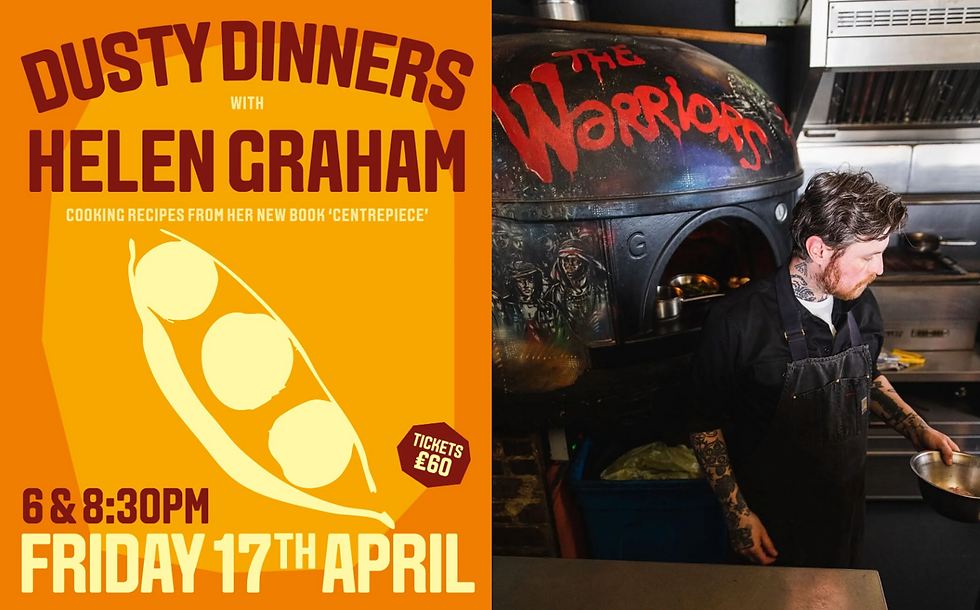
The Dusty Knuckle, an East London bakery founded in 2014 with an impressive list of Michelin Starred wholesale clients and a couple of wonderful community bakeries. The bakery won the King’s Award for Enterprise 2025 in the "Promoting Opportunity through Social Mobility" category for its youth training programme targeting 18-25 year olds facing employment barriers, including young offenders and prison leavers. Beyond the training programme, The Dusty Knuckle hosts “Dusty Dinners” - chef collaboration events featuring prominent culinary figures where 100% of donations supporting the youth work. Last year they hosted a free Christmas lunch for people who were spending Christmas alone. It's a model that proves hospitality can be a genuine force for social change while building fierce customer loyalty.
On a much larger scale, The Cornish Bakery - now at over 70 sites across the UK - has successfully maintained its community focus while expanding. Founded in Mevagissey, Cornwall by Steve Grocutt, the chain has kept its regional identity intact by working with Cornish artists, craftspeople and suppliers, embedding local character into design and sourcing. The St Ives location features an upstairs gallery space showcasing rotating exhibitions from local artists. Several bakeries also feature beautiful meeting rooms that can be booked out by community groups free of charge. This is part of their purposeful shift towards a philosophy of enhancing communities beyond producing food. It's a model of community integration that works commercially because locals feel they own a piece of it.
The shift from transactional to emotional loyalty is supported by compelling data. Research by Nielson shows that 88% of consumers trust recommendations from friends and family over advertising, and word-of-mouth marketing from emotionally loyal customers outperforms paid advertising. Research on brand communities shows community identity strengthens connection and psychological ownership of service elements boosts guest loyalty regardless of satisfaction levels. In other words, when customers develop emotional attachment - a sense that “this is my brand” - they stay loyal even when experiences aren’t perfect. These emotional bonds become self-sustaining, reducing the need for discounts and rewards programs to retain customers. The most loved hospitality brands are earning that position through an exchange of meaning over money. Loyalty, in this light, becomes a form of social currency, built on generosity, pride and participation. Which might just be the most sustainable business model of all.


